- 25
- 7

Botany Tours
Himalaya forms the largest and highest mountain rage on the earth. Extending over 2400 km nearly east-west with complex topographical features Himalaya provides a wide variety of climate and soils and consequently supports a remarkable assemblage of vegetation types and vascular plant diversity. The vascular plant species database include species reported from Himalaya covering mountainous regions of three countries viz. Bhutan, Nepal and Arunachal Pradesh, Sikkim, Northern West Bengal, Uttarakhand, Himachal Pradesh and Jammu & Kashmir states of India.
Nepal is located in the central part of the greater Himalayan range with a unique series of mountain chains formed by recent mountain building geological events. As one of the youngest mountains in the world it contributes to diversity of plants and also provided barriers to and corridors through which plants migrated during the ice ages. The higher altitudinal variation with the high mountains, deep river valleys and lowland plains combine with the effects of the summer monsoon and dry winter result with an extraordinary diversity of ecosystems including flora and fauna in a relatively small land area. The existing checklists for Nepal record some 6000 species of flowering plants and about 530 ferns. However, the botanical experts estimate that numbers may go up to 7000 when the poorly known remote regions are fully explored.
Bhutan is located in the biodiverse Himalayan region and is part of both the Palearctic and Indo-Malayan biogeographic realms. It has a variety of climates, ranging from subtropical to temperate to alpine, and houses an array of flora and fauna. Much was learned about the botanical landscape during the Flora of Bhutan project which began in 1975, with detailed collections documented by Grierson and Long and Noltie . Bhutan is a paradise for Botanists. In recent years, botanical excursions have seen improvements due to increase access to sites. Not only have new species been described but several new records also have been reported for Bhutan. In the past few years, plant enthusiasts have been set out to explore areas that have not been covered before, resulting in the establishment of several new records. This collective effort led to the discovery of 41 species and two genera from 28 different families in Bhutan, which have been added to the Flora of Bhutan between 2019 and 2022 by multiple authors.
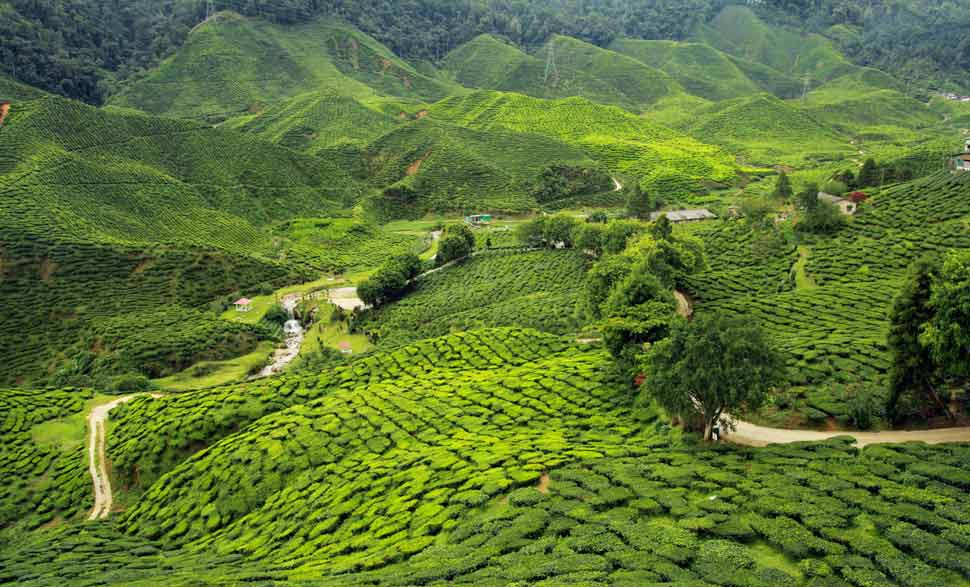
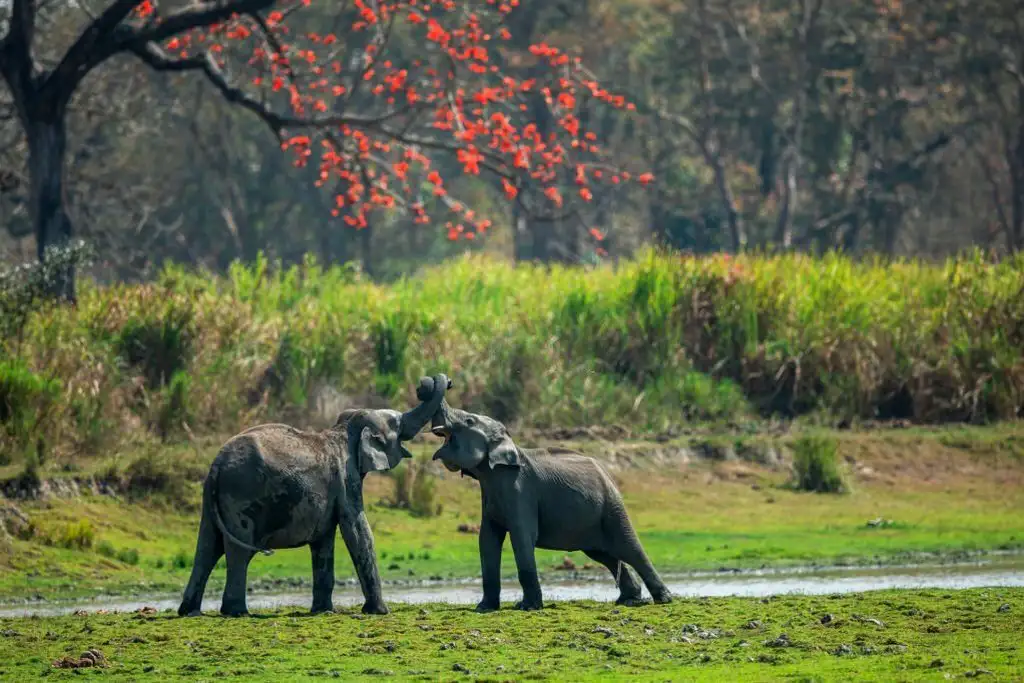
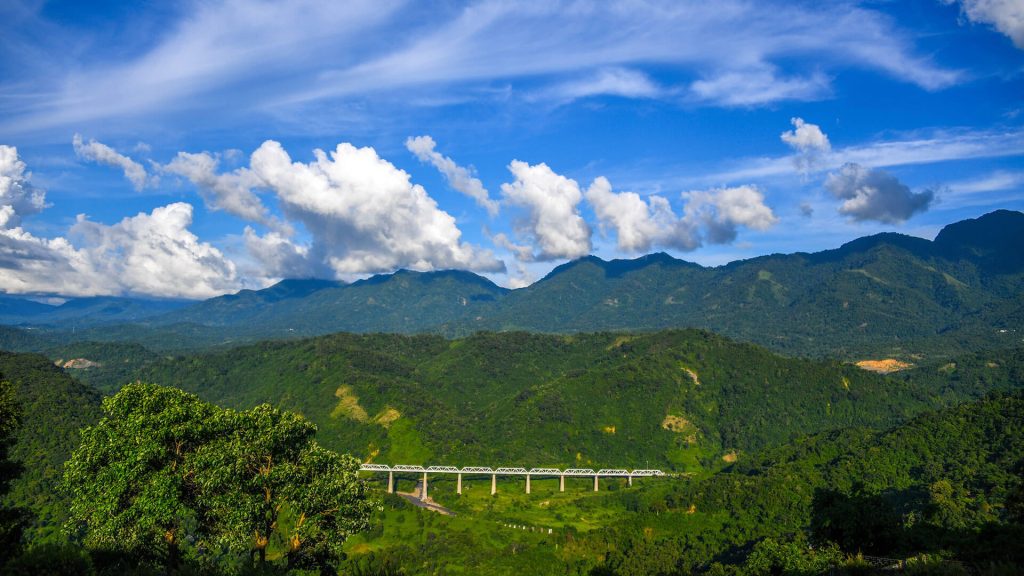
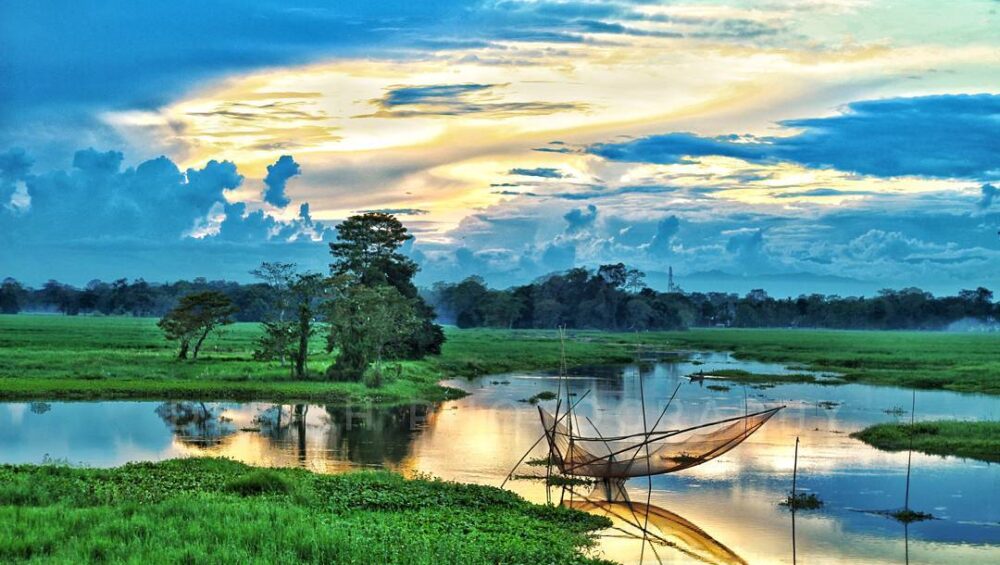
Discover the enchanting beauty of Assam with our specially curated tour package. Immerse yourself in the lush tea gardens, explore the rich wildlife at Kaziranga...